Why the Playexch App Isn’t Working: Troubleshooting Tips, Common Causes, and How to Get Back Online
The Playexch platform has become a cornerstone for gamers who want to trade, sell, or buy in‑game assets. However, like any modern mobile application, it is not immune to technical glitches that can leave users stranded. When the app suddenly stops responding, fails to log in, or behaves erratically, frustration can quickly replace the excitement of a smooth transaction. This article delves deep into the most frequent reasons why the Playexch app may stop working, offers a systematic troubleshooting guide, and provides preventive measures to minimize future disruptions.
Understanding the Core Architecture of the Playexch App
Before tackling the symptoms, it helps to grasp the basic technical structure of the app. Playexch is built on a hybrid model, combining native components for performance‑critical tasks (like real‑time price updates) with web‑based views for flexibility. It relies on a steady internet connection, background services for push notifications, and a secure authentication framework that ties each user to a unique identifier – often referred to as the “Playexch new ID.” Any break in this chain can manifest as an apparent “app not working” issue.
Common Scenarios Where the App Fails
1. Login Failures and Authentication Errors
One of the most reported problems is an inability to log in. This can stem from expired tokens, server‑side maintenance, or a corrupted cache that stores stale credentials. Users may see generic error messages such as “Unable to authenticate” or “Unexpected error occurred.”
2. Crashes on Launch or During Navigation
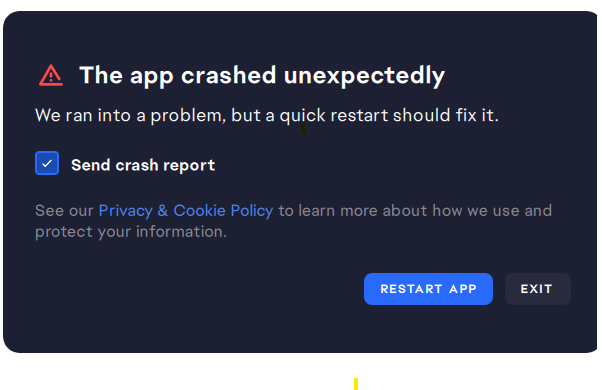
Sudden crashes often point to incompatibilities between the app version and the device’s operating system. Recent OS updates can introduce new security policies that conflict with older app binaries, leading the system to terminate the process unexpectedly.
3. Inconsistent Data Synchronization
Because Playexch constantly fetches market data, any interruption in the data stream—whether caused by network throttling, DNS issues, or server overload—will result in stale listings, missing offers, or blank screens.
4. Push Notification Failures
Gamers rely on real‑time alerts for price drops or trade confirmations. If background services are disabled, or if battery‑saving modes restrict data usage, notifications won’t arrive, making it seem as though the app is unresponsive.
A Step‑by‑Step Diagnostic Checklist
To efficiently resolve the problem, follow this ordered checklist. Skipping steps may lead to repeated attempts and wasted time.
Step 1: Verify Server Status
Start by confirming whether Playexch is experiencing a global outage. The company typically posts status updates on its official social channels. If the servers are down, the best course of action is to wait for the service to resume.
Step 2: Check Your Internet Connection
Even a brief network hiccup can break the connection handshake. Switch between Wi‑Fi and cellular data to see if the issue persists. Running a speed test can also reveal latency spikes that may affect real‑time data rendering.
Step 3: Update the App
Open your device’s app store, search for Playexch, and install any available updates. Developers routinely release patches that address bugs, improve compatibility with newer OS versions, and tighten security measures.
Step 4: Clear Cache and Data
On Android, navigate to Settings → Apps → Playexch → Storage, then tap “Clear Cache” and “Clear Data.” iOS users can achieve a similar effect by uninstalling and reinstalling the app, which forces the system to rebuild fresh cache files.
Step 5: Re‑authenticate Your Account
If login issues remain, log out of the app (if possible) and log back in. In cases where the password has been changed elsewhere, resetting the password through the “Forgot Password” link ensures the authentication token is refreshed.
Step 6: Review Permission Settings
The app requires access to storage, notifications, and sometimes the device’s location for region‑specific offers. Verify that all required permissions are granted under your device’s privacy settings.
Step 7: Disable Battery Optimization
Modern smartphones aggressively manage background apps to preserve battery life. Locate the battery‑optimization menu and exclude Playexch from any power‑saving restrictions.
Step 8: Reset Network Settings
If DNS or proxy configurations are causing connectivity issues, resetting network settings to default can clear hidden obstacles. Be aware that this action will remove saved Wi‑Fi passwords, so you’ll need to reconnect to known networks.
Step 9: Examine Device Compatibility
Older devices may not meet the minimum RAM or storage requirements for the latest Playexch build. Check the official system requirements, and if your device falls short, consider using the web version as a temporary workaround.
Advanced Troubleshooting for Persistent Issues
If the basic steps fail to resolve the problem, it may be time to dive deeper.
Analyzing Log Files
Both Android and iOS provide developer tools that can capture crash logs. On Android, use “adb logcat” to retrieve real‑time logs; on iOS, Xcode’s console can show the exact exception causing the crash. Sharing these logs with Playexch support can accelerate the debugging process.
Testing with a Fresh Account
Sometimes the problem is tied to a corrupted user profile. Creating a new account (or using a “Playexch new ID”) and attempting the same actions can help isolate whether the issue is device‑wide or account‑specific.
Reinstalling System Updates
If you suspect that a recent OS update introduced incompatibility, rolling back the update (if possible) or waiting for a patch from the OS vendor may be necessary. In the interim, enabling “Developer Options” and forcing a “Force GPU rendering” can sometimes alleviate UI glitches.
Contacting Official Support
When all else fails, open a support ticket through the in‑app help center or via the official website. Provide a concise summary including:
- Device model and OS version
- App version number
- Exact error messages or screenshots
- Steps already taken to troubleshoot
Supplying this information enables the support team to reproduce the issue more effectively.
Preventive Measures to Reduce Future Downtime
Proactive habits can significantly reduce the likelihood of encountering app failures.
Enable Automatic Updates
Turning on automatic updates ensures you always have the latest security patches and performance improvements without manual intervention.
Maintain Sufficient Free Storage
Apps store temporary files and caches that can balloon over time. Keeping at least 15 % of your device’s total storage free helps prevent sluggishness and crashes caused by insufficient disk space.
Regularly Refresh Your Authentication Token
Although the app handles token renewal automatically, logging out and back in every few months can clear hidden token corruption.
Stay Informed About Scheduled Maintenance
Playexch periodically schedules maintenance windows for backend upgrades. Subscribing to their notification list or following official channels ensures you’re aware of upcoming downtimes, allowing you to plan transactions accordingly.
Conclusion
The Playexch ecosystem offers gamers a powerful marketplace, but like any digital service, it can be disrupted by a range of technical factors—from network hiccups to software incompatibilities. By systematically diagnosing the problem, applying the step‑by‑step checklist outlined above, and adopting preventive maintenance habits, most users can restore full functionality in a short amount of time. Remember that the community and official support channels are valuable resources; don’t hesitate to reach out when an issue persists. With these strategies in hand, you can enjoy uninterrupted trading, confident that you know how to tackle any future app hiccups head‑on.