Winplayexch Search Guide and Playexch Access Help
Searched winplayexch? This honest guide explains how the winplayexch search term connects to Playexch, and points you to the right ID, login and register help. 18+ responsible use only.
✅ Fast mobile access · Friendly WhatsApp support
What Is Winplayexch and How It Relates to Playexch
Winplayexch is a search term people type when they are looking for Playexch account access, an ID, or login help — it is not a separate official service run from this website. If you arrived here after searching winplayexch, you are in the right place for clear, honest information about how Playexch access works. The quickest routes are our Playexch ID guide and the main Playexch home page, both linked here so you never lose your way.
The word winplayexch usually combines the idea of "win" with "playexch," and search engines see it as one more spelling variation among many. People type winplayexch, win playexch and winplayexch id when what they really want is the same thing everyone else wants: a straightforward way to request a Playexch ID and log in safely. This page keeps that goal front and centre.
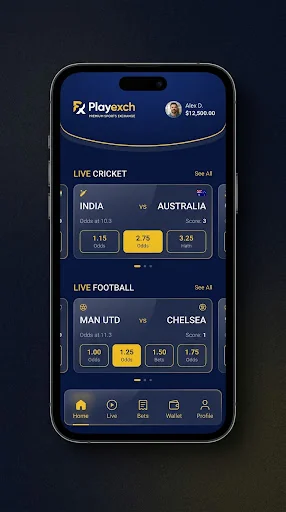
An Honest Explanation of the Winplayexch Search Term
Let us be completely transparent about what winplayexch is and is not. Winplayexch is a phrase that circulates online because people remember brand names in slightly different ways. Some add the word "win" in front, some join the words together, and some add "id" on the end. None of these small changes create a new company or a new platform. Winplayexch is best understood as a doorway search that leads back to the same Playexch information most visitors are already looking for.
We will never pretend on this site that winplayexch is an official, licensed operator that is separate from Playexch, because that would be misleading. Instead, the honest and useful thing to do is explain the connection plainly and then guide you to the correct pages. If you searched winplayexch hoping to find a login, an account ID, or mobile access, the sections below walk you through each of those in simple language, with safety first at every step.
Because winplayexch is a variation rather than a brand of its own, you should treat any website that claims to be "the official winplayexch" with healthy caution. There is no need to hunt for a special winplayexch portal. Follow the standard Playexch process described here, use the official support channel, and you avoid the copycat pages that sometimes appear around popular search terms.
🔍 Search Variation
Winplayexch simply points back to standard Playexch access.
🪪 One Simple ID
The same single Playexch ID everyone else uses — no special portal.
💬 Real Support
One consistent link to the official human help channel.
🔞 Responsible Use
Strictly 18+, with safety reminders on every key section.
Getting a Playexch ID From a Winplayexch Search
If your journey started with a winplayexch search, getting set up is still the same quick, friendly process. There is no separate winplayexch sign-up and no long form on this website. Here is exactly what usually happens, so there are no surprises:
- Tap Get Playexch ID. Every Get Playexch ID button on this winplayexch guide opens the official support channel. Send a short message saying you would like a new Playexch ID — you will never be asked for a password on this site.
- Confirm a few basic details. Support may ask for simple information to set up your account correctly. Share only what is genuinely required, and only through the official channel you reached from this page.
- Receive login guidance. Once your ID is ready, support shows you the correct panel address and how to sign in. Our detailed login guide and register guide explain every step.
- Settle in safely. Bookmark the correct address, learn the mobile access options, and read the responsible-use notes so every future login is smooth and secure.
Notice that "winplayexch" never appears as a step of its own — because it is a search phrase, not a different account system. Whether you typed winplayexch, win playexch, or winplayexch id, you follow this one clear path to a genuine Playexch ID.
Winplayexch Login Help
Many people who search winplayexch are really asking a login question: "How do I sign in to my account?" The good news is that there is nothing unusual to learn. Once you have a Playexch ID, logging in is simply a matter of opening the correct panel address, entering the username and password support provided, and confirming. Our full Playexch login guide shows the mobile and desktop steps side by side.
If a login does not work after a winplayexch search, the cause is almost always one of a few small things: a typo in the username or password, an old or incorrect web address saved from a search result, a weak internet connection, or a browser holding an outdated page. Work through these one at a time and most problems disappear. When they do not, the official support channel can check your account directly.
One important safety note for anyone arriving from a winplayexch search: never enter your credentials on a page reached from an unfamiliar link or advert. This winplayexch guide will only ever ask you to log in on the verified panel that support gives you. Any login-style card you see on this website is a visual illustration only — it is not a real form and it does not collect anything. Checking the address before you type protects your account more than any other single habit.
Winplayexch Login Checklist
- Address: confirm the verified panel URL
- Username: exactly as support provided
- Password: typed carefully, no extra spaces
- Connection: secure, private network
- Card here: visual illustration only
- Stuck?: message official support
Before You Try to Log In
A quick check saves a lot of frustration. Before you sign in after a winplayexch search, make sure you are on the correct panel address, that your username and password match what support sent, and that your connection is stable. If you have not requested an ID yet, start with the register guide first, then come back to log in.
Winplayexch Register Guide for New Users
Some visitors search winplayexch because they do not have an account yet and want to register. Registration and getting a Playexch ID are really the same thing described in two ways: you contact the official support channel, confirm a few basic details, and receive your account. There is no separate winplayexch registration form, and you should be wary of any third-party page that claims to offer one.
Our dedicated Playexch register guide covers the whole flow in detail — what registration means, the simple account setup steps, the kind of basic details you may be asked for, and the terms and privacy notes you should read before you begin. If you started at winplayexch and feel unsure where to begin, that register guide is the best next stop, followed by the login guide once your account is ready.
Whatever you do, register only through the official channel linked from this winplayexch guide. Sharing personal details with unofficial "winplayexch registration" pages is exactly the kind of risk this site is designed to help you avoid. When registration is handled through verified support, your account is set up correctly the first time and your login works without fuss.
Winplayexch Mobile Access
Most people who search winplayexch are on a phone, so mobile access matters. The reassuring news is that you do not need a special winplayexch app. The platform works in a normal mobile browser, which for many people is the easiest and safest option. Our Playexch app and mobile access guide explains how to open the correct address, save it as a home-screen shortcut so it feels like an app, and keep your session tidy on both Android and iPhone.
If you come across a "winplayexch app" or an APK file while searching, slow down and verify the source first. Only consider files that official support links to directly, check the address carefully, and never grant unusual permissions. When in doubt, stick with the mobile browser — it always shows the latest version and there is nothing to install. Whichever route you choose after a winplayexch search, the same login safety rules apply on every device.
⚡ Same Simple Access
Winplayexch leads to the same jargon-free path to a Playexch ID.
📱 Mobile Responsive
Reads perfectly on any device, with fast, comfortable tap targets.
🚀 Fast Loading
Lightweight pages so guidance appears the instant you need it.
🎯 Clear Support CTA
One consistent button always points to the official help channel.
🔰 Beginner-Friendly
Written for first-time users, with no assumed prior knowledge.
🛡️ Honest Guidance
No fake winplayexch claims and no guaranteed-win promises.
What You Can Explore Once You Have Access
Once your Playexch ID is ready, the categories you can explore are the same regardless of whether you searched winplayexch, play exch or the full brand name. Cricket is the most searched category in India, and it sits alongside football, tennis, kabaddi and a live exchange section that updates in real time. Everything is designed to read comfortably on the phone you already carry.
We describe these categories in plain, careful language on purpose. This winplayexch guide never uses aggressive betting slogans, never promises a win, and never suggests any outcome is guaranteed. The aim is to help you understand what is available and use it responsibly, within the limits you set for yourself and the rules that apply where you live.
🏏 Cricket
The most searched category in India.
⚽ Football
Domestic and international fixtures.
🎾 Tennis
Season-long tournaments and majors.
🤼 Kabaddi
A popular home-grown favourite.
💱 Live Exchange
Real-time, interactive sections.
📲 Mobile Access
Everything, on the device you carry.
Safety and Responsible Use for Winplayexch Searchers
Arriving from a winplayexch search is a good moment to pause and think about safety, because unfamiliar search terms are exactly where copycat pages try to catch people out. Using any online gaming or exchange service comes with real responsibility. This guide asks every visitor to treat the platform as strictly adults-only, follow the rules that apply in their location, and make decisions with a clear head. A quick safety checklist before you log in:
- Always check you are on the correct, verified panel address, not a lookalike winplayexch page.
- Never share your password or one-time codes with anyone — ever.
- Use a secure, private internet connection rather than public Wi-Fi.
- Contact only the official support channel linked on this site.
- Read the terms, privacy notes and local rules before you start.
- Remember the platform is strictly for adults aged 18 and above.
Set your own limits before you begin and stick to them. Never chase a loss, never borrow money to play, and step away if it stops being enjoyable. Our dedicated responsible-use page covers self-checks and where to find support. Combine sensible limits with good security habits and you stay in control of both your account and your experience — no matter which search term brought you here.
✅ No False Claims
We never pretend winplayexch is a separate official operator.
🔒 Safety First
Security checklists and login tips on every important section.
⚡ Fast & Simple
Straightforward steps that respect your time from the first click.
🎧 Real Support
One consistent link to a genuine human help channel.
What Users Tell Us
The comments below are placeholder examples shown for illustration only and will be replaced with genuine feedback. They are not real reviews and no rating is implied.
⭐⭐⭐⭐⭐
"I searched winplayexch and this guide showed me it just meant Playexch. Getting my ID was simple." — Placeholder, to be replaced
⭐⭐⭐⭐⭐
"The login checklist sorted out my sign-in problem in a couple of minutes." — Placeholder, to be replaced
⭐⭐⭐⭐⭐
"Clear, honest and easy to read on my phone. Exactly what a beginner needs." — Placeholder, to be replaced
Winplayexch and Other Common Search Variations
Winplayexch is just one of many ways people search for the same information. Some type play exch with a space, some look for playexch 247 because they want round-the-clock access, and others arrive after searching playexhange or playinmatch99. Like winplayexch, these are usually different ways of reaching the same goal: getting a Playexch ID and logging in without hassle.
Because spelling and spacing vary so much, we built a dedicated, honest guide for each variation instead of forcing everyone onto one page. If winplayexch was not quite the term you meant, one of those guides will match your search — and every one of them leads back to the same simple, safe Playexch process described here.
Why People Search for Winplayexch Instead of the Plain Brand Name
It helps to understand why a term like this exists at all. When a brand becomes popular, people start to remember and re-type it in many small variations. Someone hears the name spoken aloud, adds the word "win" because it feels natural for a sports platform, and searches from memory. Someone else copies a link from a chat, mistypes a letter, or joins two words together. Search engines quietly absorb all of these attempts and try to serve the most relevant Playexch information in response.
None of this means there is anything wrong with your search. It simply means you took one of the many paths that lead to the same destination. The purpose of this page is to reassure you that you have arrived at genuine, careful guidance, not a copycat page. We would rather explain the reality plainly than take advantage of a spelling variation, because trust is the whole point of a guide like this one. Once you understand that the term is just a variation, the rest of the process becomes very simple.
You may also notice that different pages across the internet spell the term in slightly different ways, add numbers, or attach "id," "login" or "app" to the end. Treat all of them the same way: as prompts to find the correct, official Playexch process rather than as separate services to sign up for. The single most valuable habit you can build is to always confirm the verified panel address with support before you enter any details, whichever search term first brought you here.
What Happens After Your First Playexch Login
Once your account is active and your first login is behind you, day-to-day use settles into a comfortable rhythm. You open the verified panel on your phone or computer, sign in with the username and password support provided, and you are ready to explore the categories that interest you. There is nothing complicated to remember and no separate steps for anyone who arrived from a variation search rather than the plain brand name.
We recommend a few gentle habits that make everyday use smoother and safer. Save the correct address as a bookmark or a home-screen shortcut so you never rely on a search result again. Keep your password private and unique, and change it if you ever suspect someone else has seen it. Log out on shared or public devices. And keep the contact support link handy, because reaching a real person quickly is the fastest way to resolve anything unexpected.
If you take a break and come back weeks later, none of this changes. Your Playexch ID stays the same, the login process stays the same, and the safety rules stay the same. That consistency is deliberate: a good platform should feel familiar every time you return, so you can focus on enjoying it responsibly rather than relearning how it works.
Should you ever forget a detail — the panel address, your username, or how mobile access works — you do not need to start a brand-new search. Come back to this guide or the linked login guide, follow the same steps, and reach out through official support if anything is unclear. Keeping one trusted set of guides bookmarked is far safer than typing a fresh, unfamiliar term into a search bar each time.
Desktop and Mobile: Choosing What Suits You
Some people prefer the larger screen of a laptop or desktop, while others do everything on a phone. Both work well, and you can switch between them freely using the same Playexch ID. On desktop, a bookmark in your browser keeps the verified address one click away. On mobile, a home-screen shortcut gives you an app-like tile without installing anything, which is often the safest choice because there is nothing to download and no permissions to grant.
Whichever device you use, the login steps and safety checks are identical: confirm the address, enter your details carefully, use a private connection, and log out when you are finished on a shared device. If you ever feel the mobile view is cramped, most browsers let you request the desktop version, and vice versa. The flexibility is there so the platform fits comfortably around how you actually live, rather than forcing you into one way of doing things.
For anyone who first searched a variation and worried they might need a special version of the site, the answer is simple: you do not. The same guides, the same account and the same support cover every device. Pick whatever is in your hand, follow the checklist, and you are set.
Getting Help and Contacting Support
No guide can answer every personal question, which is exactly why real human support matters. If you are unsure about your account, cannot log in after trying the checklist, or simply want to confirm you are on the correct address, the official support channel is there for you. Every Get Playexch ID and Contact Support button on this page opens that same channel, so you never have to guess where to turn.
When you get in touch, keep your messages clear and share only what support genuinely needs. A good support conversation never asks you to post your password in public, never pressures you to act instantly, and never promises guaranteed results. If any message you receive does those things, treat it as a warning sign and check directly through the official channel instead. Honest support protects you; it does not rush you.
Finally, remember that reaching out is always free and always welcome. There is no such thing as a silly question when it comes to account safety. Whether you searched the full brand name or a variation, whether you are brand new or returning after a long break, a short message to official support is the quickest, safest way to get moving again. Bookmark this guide, keep the contact link close, and you will always know your next step.
Explore the Playexch Guides
Ready to go further than the winplayexch basics? These focused guides cover every part of using Playexch, from your first ID to mobile access and safety:
- Playexch home — the main overview and starting point.
- Playexch ID guide — what an ID is and how to request one.
- Playexch login guide — sign in smoothly and fix common issues.
- Playexch register guide — account setup, step by step.
- Playexch app & mobile guide — Android, iPhone and browser access.
- Responsible use — safety, limits and 18+ rules.
- Contact support — reach a real person for help.
Frequently Asked Questions
What is winplayexch?
Winplayexch is a search term people use when looking for Playexch account access, an ID or login help. It is not a separate official service run from this website. This page explains the connection honestly and guides you to the correct Playexch ID, login and register pages.
Is winplayexch a different website from Playexch?
No. Winplayexch is simply a spelling variation that points back to the same Playexch information most visitors are looking for. There is no special winplayexch portal to hunt for. Follow the standard Playexch process and use the official support channel linked on this page.
How do I get an ID after searching winplayexch?
Use any Get Playexch ID button on this winplayexch guide to message the official support channel and ask for a new account. Before you request an ID, check the terms, the privacy information, the 18+ requirement and the rules that apply where you live.
Is the login card on this winplayexch page real?
No. Any login-style card on this website is a visual illustration only. You should only ever enter real credentials on the verified panel that support provides, never on this information guide.
Can I use winplayexch on mobile?
Yes. Playexch works in a normal mobile browser on both Android and iPhone, and this site is fully responsive. If a winplayexch app or APK is mentioned anywhere, verify the source first and avoid downloading files from unknown links.
Does winplayexch guarantee a win?
No. Despite the "win" in the search term, nothing is guaranteed. This guide never promises winnings and never makes official or licensing claims. The platform is strictly for adults aged 18 and above — please follow local laws and use any online gaming or exchange service responsibly.
Searched Winplayexch? Get Real Playexch Help
Our official support channel is ready to help you request a Playexch ID, log in, or answer any question — quickly, clearly and honestly.
Contact Support