Playexch In-Play Betting: Live Cricket Markets Explained
Understand how live in-play betting works on the Playexch exchange — why prices move ball by ball, how in-running markets differ from pre-match, and how to keep calm and in control while a match is live. Learn before you play. 18+ only.
18+ only. Play responsibly. Terms & Conditions apply.
What Is In-Play Betting?
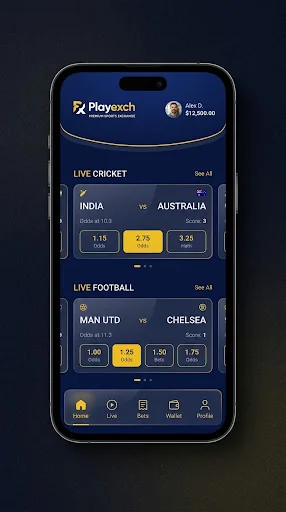
In-play betting — also called live or in-running betting — means placing bets on a match while it is actually being played, rather than before the first ball. On the Playexch exchange, live markets update continuously: as each over is bowled, each wicket falls and each boundary is hit, the prices shift to reflect the current state of the game. You are betting on what is happening now, not on a forecast made hours earlier.
That live feedback loop is what makes in-play betting feel different from a pre-match bet. This guide explains how in-running markets work on an exchange, why the odds move the way they do, and — most importantly — how to stay calm and in control when everything is moving fast. It is educational only; always play within your limits and follow the rules that apply where you live.
In-Play vs Pre-Match: What Actually Changes
Before a match begins, prices are based on expectation — team form, conditions, the toss and past results. This is the pre-match market. The moment play starts and the market goes in-play, expectation gives way to evidence. Every ball adds new information, and the odds respond in real time.
The mechanics of a bet do not change: you still choose a selection, you still back or lay it at a price, and your risk is still governed by the same maths. What changes is the pace. Pre-match, you have time to think. In-play, prices can move several times a minute, markets can be briefly suspended around key moments, and a value you spotted a second ago may already be gone. Understanding that difference is the first step to using live markets sensibly. If the basics of backing and laying are new to you, read our companion guide on back and lay betting before you try them live.
🕐 Pre-match
Prices reflect expectation. You have time to weigh form, conditions and the toss before you commit.
⚡ In-play
Prices reflect what is happening now. They move fast and can be suspended at key moments.
🎯 Same maths
Backing, laying and liability work exactly as before — only the speed of the market is different.
Why Live Odds Move Ball by Ball
Live prices move because the probability of each outcome changes with every event on the field. Think of the odds as a running scoreboard of expectation. When a set batter is dismissed cheaply, the chasing side's chances dip and their price drifts out. When a batter clears the ropes twice in an over, the same price shortens. Rain, a run-out, a dropped catch, a new ball — each one nudges the market.
On an exchange, no single house sets these numbers. Prices come from other users offering to back and lay at different levels, and they update their offers as the game changes. That is why an in-running market can feel alive: you are watching thousands of small opinions being repriced in real time. The clearest example in cricket is a run chase. As the required run rate climbs or falls, the two teams' prices swing towards whichever side the maths now favours — sometimes dramatically in a single over.
A Worked Cricket Example: A Chase in Motion
Imagine a T20 chase. The batting side needs a run a ball with plenty of wickets in hand, and their price sits around 1.80 to win. Then two quick wickets fall in three balls. Suddenly the required rate is higher, the new batters are not set, and the market repriced their chances — their price might drift out towards 2.60 while the bowling side shortens.
Nothing about the mechanics of your bet has changed. If you had backed the batting side at 1.80, your bet is still governed by that price and your stake. What the moving market offers is the option to act again at the new number — for instance, laying the same side at 2.60 to reduce your exposure if you now think the chase is slipping. Whether that is wise depends entirely on your reading of the game, and there is no guaranteed right answer. The example simply shows how quickly an in-running price can travel, and why live decisions deserve a clear head.
Suspensions, Bet Delay and Unmatched Bets
Two features of live markets surprise newcomers, and both are safeguards rather than glitches. The first is the market suspension. Around a wicket, a boundary appeal or the end of an over, the exchange may briefly freeze a market so that prices can catch up with events. During a suspension your new bets will not match; the market reopens a moment later at updated prices.
The second is the bet delay. When you submit an in-play bet, the exchange holds it for a few seconds before matching it. This short pause means nobody can act on a live event faster than the market can adjust. If the price moves beyond your chosen limit during that delay, your bet may go unmatched — it simply does not get taken. That can feel frustrating in a fast market, but it keeps the playing field level for everyone. The practical lesson: in-play, always expect that a price you tap might not be the price you get, and never chase a number that has already run away.
⏸️ Suspension
Markets pause around key moments so prices can catch up. Bets do not match until it reopens.
⏳ Bet delay
A few-second hold before matching keeps live betting fair. Prices can move in that window.
❔ Unmatched
If the price passes your limit during the delay, your bet may not be taken at all.
💬 Read the screen
The platform shows what is open, suspended or in-play. Check it before every live bet.
Adjusting a Position While the Match Is Live
Because prices travel throughout a match, some experienced users treat in-play as a chance to adjust a position rather than place a single fire-and-forget bet. Having backed a team pre-match, they might lay the same team later at a shorter price to lock in part of a position, or lay to cut a loss if the game turns. This is the same "green up" idea that applies to any exchange trade.
It is genuinely useful to understand, but it is not a money machine. The gap between the back and lay prices, plus commission on net winnings, eats into any margin, and live prices can move against you in the time it takes to react. Cricket users should also remember that session and fancy markets behave differently from standard match-odds, with their own in-running rhythm. Treat live trading as a skill built slowly with small stakes — never as a shortcut, and never as a guaranteed outcome.
Placing a Live Bet: Step by Step
Once you have watched one market move, the process becomes second nature. Here is the sequence in plain terms — start with the smallest stakes while you learn the rhythm.
- Open the live match. Choose a fixture that is in-play. Live markets are usually flagged clearly and the score updates alongside them.
- Pick a market and a side. Decide whether you are backing a selection to happen or laying it to not happen, and note the current price.
- Set your price and stake. Enter the amount and, for a lay, check the liability the screen shows. Expect the number to move as you type.
- Submit and wait for the delay. Your bet is held for a few seconds. If the market has moved past your price, it may stay unmatched — that is normal.
- Confirm it matched. Check your open bets to see whether the bet was taken and at what price. Do not assume; verify.
- Decide whether to act again. As the game develops you can leave the bet to settle or adjust it. There is no obligation to keep betting.
The single biggest in-play skill is patience. You do not have to bet on every over, and choosing to watch is a valid decision.
Staying in Control During a Fast Market
In-play betting is engaging precisely because it is fast, and that speed is also its main risk. It is easy to place more bets than you planned, to raise stakes in the heat of a chase, or to chase a price that has already gone. None of that is about the platform — it is about how the human brain behaves under pressure. The good news is that a few simple habits keep live betting firmly in the "entertainment" column.
Decide your budget and your time limit before the match starts, not during it. Treat that budget as the total you are willing to lose for the evening, full stop. Take breaks between overs, never bet to recover a previous loss, and if you notice yourself feeling tense or rushed, close the app and come back later — the next match is always another day. Our responsible-use guide covers deposit and time limits in more detail, and they matter most exactly when a game is at its most exciting. Strictly 18+.
A Quick Glossary of In-Play Terms
- In-play / in-running — betting on a match while it is being played.
- Pre-match — betting placed before the event starts.
- Suspension — a brief pause in a market around a key moment, during which bets do not match.
- Bet delay — the few-second hold applied to in-play bets before they are matched.
- Unmatched — a bet that has not been taken by another user, often because the live price moved past your limit.
- Drift / shorten — odds getting bigger (drift) or smaller (shorten) as the game changes.
- Green up / trade — adjusting a position by backing and laying the same selection at different prices.
- Commission — a small percentage charged on net winnings in a market.
In-Play Betting: Common Mistakes to Avoid
- Betting on every ball. Constant action feels productive but rarely is. Be selective and comfortable watching.
- Chasing a moved price. If a number ran away before your bet matched, let it go. Do not tap a worse price out of frustration.
- Ignoring the delay. Assume your live bet might not match at your price. Plan for it rather than reacting to it.
- Raising stakes in the heat of it. A tense chase is exactly when discipline matters most. Stick to the budget you set beforehand.
- Forgetting liability on live lays. Laying at a big price means big liability, and in-play there is less time to notice. Always read the figure.
🛡️ Play safe
Set deposit and time limits before kickoff. Read our responsible use guide.
🆔 Get started
New here? The Playexch ID guide explains how account access works.
🔐 Sign in
Already set up? The Playexch login guide covers safe sign-in.
Related Playexch Guides & Articles
Keep learning the exchange with these closely related guides:
- Back and lay betting explained — the foundation every live bet is built on
- Exchange odds explained — decimal prices, commission and liability in detail
- Session and fancy bets explained — cricket-specific in-running markets
- Playexch 247 access guide — round-the-clock markets
Frequently Asked Questions
What is in-play betting on Playexch?
In-play betting, also called live or in-running betting, means placing bets on a match while it is actually being played rather than before it starts. Prices update continuously as the game unfolds — after each ball, wicket or boundary in cricket — so the odds you see reflect the current state of play, not the pre-match forecast.
Why do in-play odds change so quickly?
Live odds move because the likely outcome changes with every event on the field. A wicket, a big over, rain or a run-out all shift the probability of each result, and other exchange users update their prices in response. On a fast market the numbers can change several times a minute, which is normal for in-running betting.
Is there a delay when I place an in-play bet?
Yes. Exchanges apply a short bet-delay to in-play markets so that no one can act on a live event faster than the market can adjust. Your bet is held for a few seconds before it is matched, and if the price moves past your limit during that window it may not be matched at all. This is a normal safeguard, not an error.
Is in-play betting riskier than pre-match betting?
It can be, because the fast pace encourages quick decisions and it is easy to place more bets than you intended. The mechanics are the same as any exchange bet, but the speed adds pressure. Setting a budget and a time limit before the match starts is the best way to keep live betting under control.
Can I back and lay the same team during a live match?
Yes. Because prices move throughout a match, some users back a selection and later lay it (or the reverse) at a different price to adjust their position. This is a skill that takes practice, it is affected by commission and the back-lay spread, and it is not a guaranteed way to make money.
Do all matches offer in-play markets?
Not every event has live markets, and the range can vary. Major cricket fixtures usually have detailed in-running markets, while smaller games may offer fewer. Availability, market types and any suspensions are shown on the platform during the match, so always check what is open before you plan a live bet. 18+ only, and follow the rules that apply where you live.
Need Help Getting Started on Playexch?
Our support channel can walk you through account access and answer your questions. Reach out any time — and remember to play responsibly, 18+ only.
Contact Support